Advanced Open Water Certification in North Florida
Move past the shallow, supervised dives your first card allows and build real depth, navigation, and buoyancy skill until diving feels
planned, controlled, and unremarkable.
- Deeper Access
- Sharper Skills
- Veteran Owned
Taught by a Ph.D. educator, Navy veteran, and IDEA Course Director.
Your first certification · From $450 · Private pace
Your Certification Is Starting to Feel Like a Ceiling
The dives you want to do keep requiring something you do not have. Deeper sites, wrecks, drift dives, and cavern access all sit behind a card you did not earn yet.
Meanwhile your buoyancy is still a work in progress, you navigate by following whoever is in front of you, and your air lasts noticeably less time than everyone else's.
Diving past your first year should feel
deliberate, efficient, and calm, not like a series of things you are not allowed to do.
I'm Wade Howell, and I'm Here to Take the Ceiling Off
AI tell new divers that an Open Water certification is like a learner's permit. It is permission to practice. Most divers never get the coached practice that turns permission into skill, and they plateau without ever noticing it happened.
I have been diving since 1991, served as a Navy hospital corpsman, hold a Ph.D., and have taught for more than twenty years. As an IDEA Course Director I train instructors, which means I know exactly which habits go unfixed. Advanced training here is coaching, not a checklist, and it leaves you
precise, efficient, and self-reliant.
You have the permit. Let's build the skill.
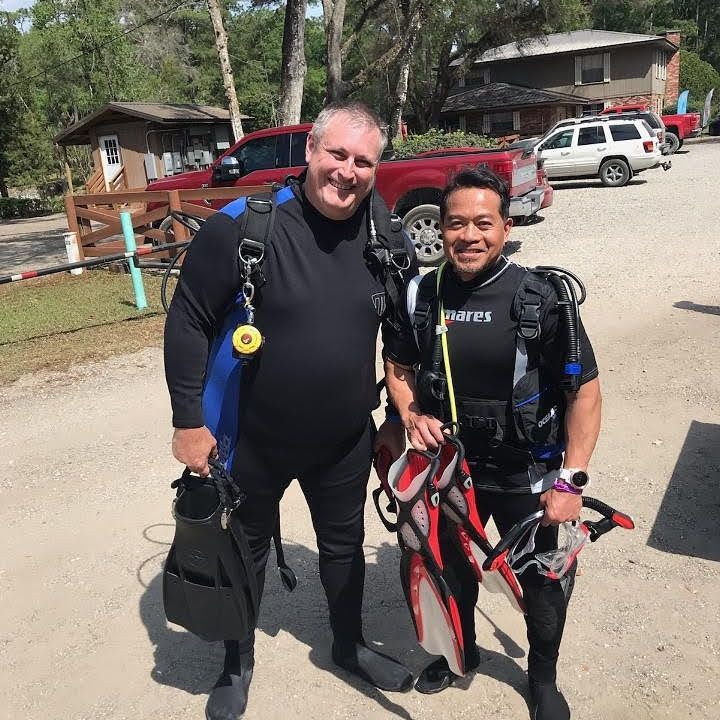
DEVIL'S DEN · WILLISTON, FL
What divers say
Your pace / Spring dives / From $450
Flagship
Scheduled / 20 dives logged / From $1,300
A Course That Fixes What Nobody Corrected
Depth You Can Use
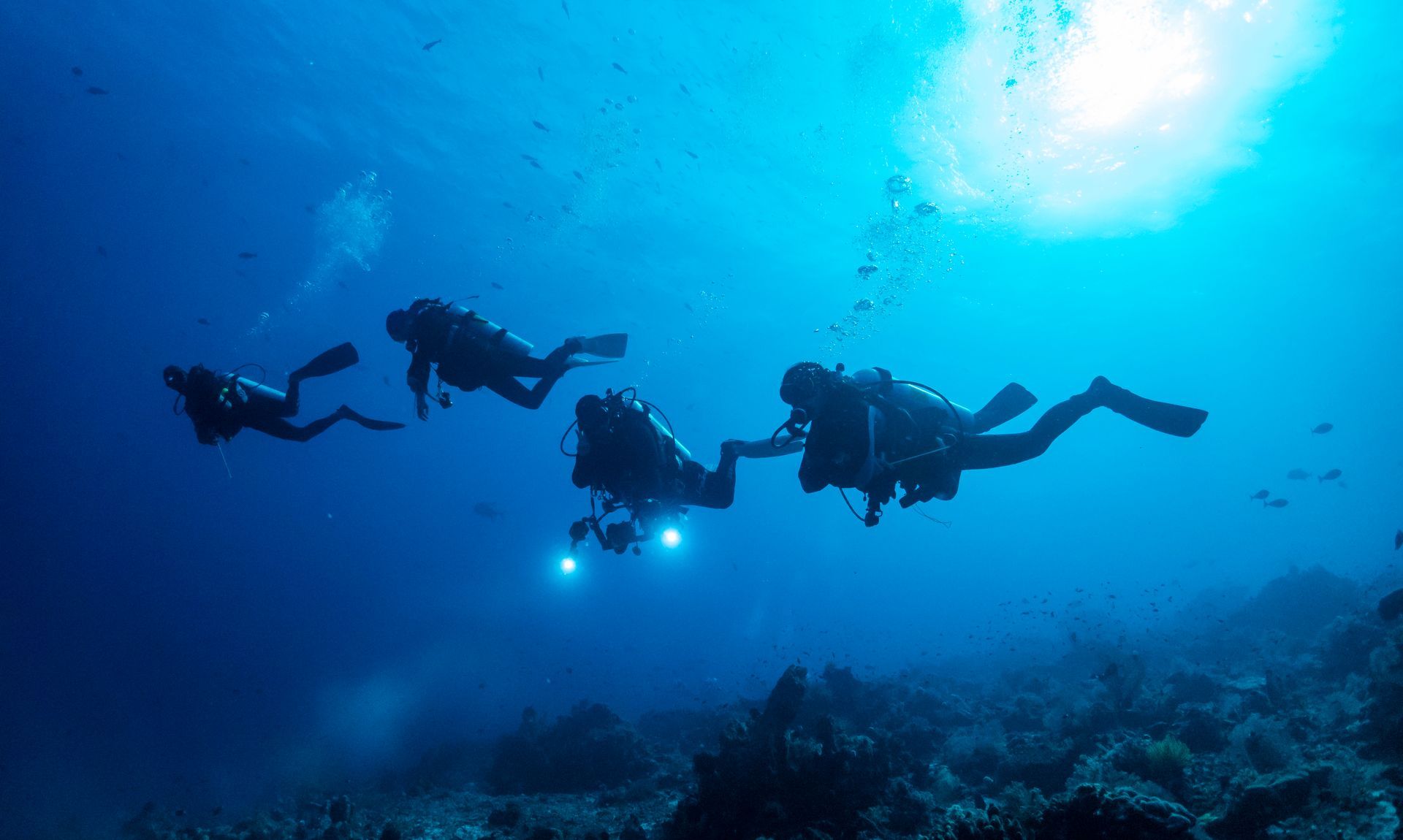
Coached deep dives with planning and gas management so you can access the sites you have been skipping, which means your dive plan starts with where you want to go.
Air That Lasts
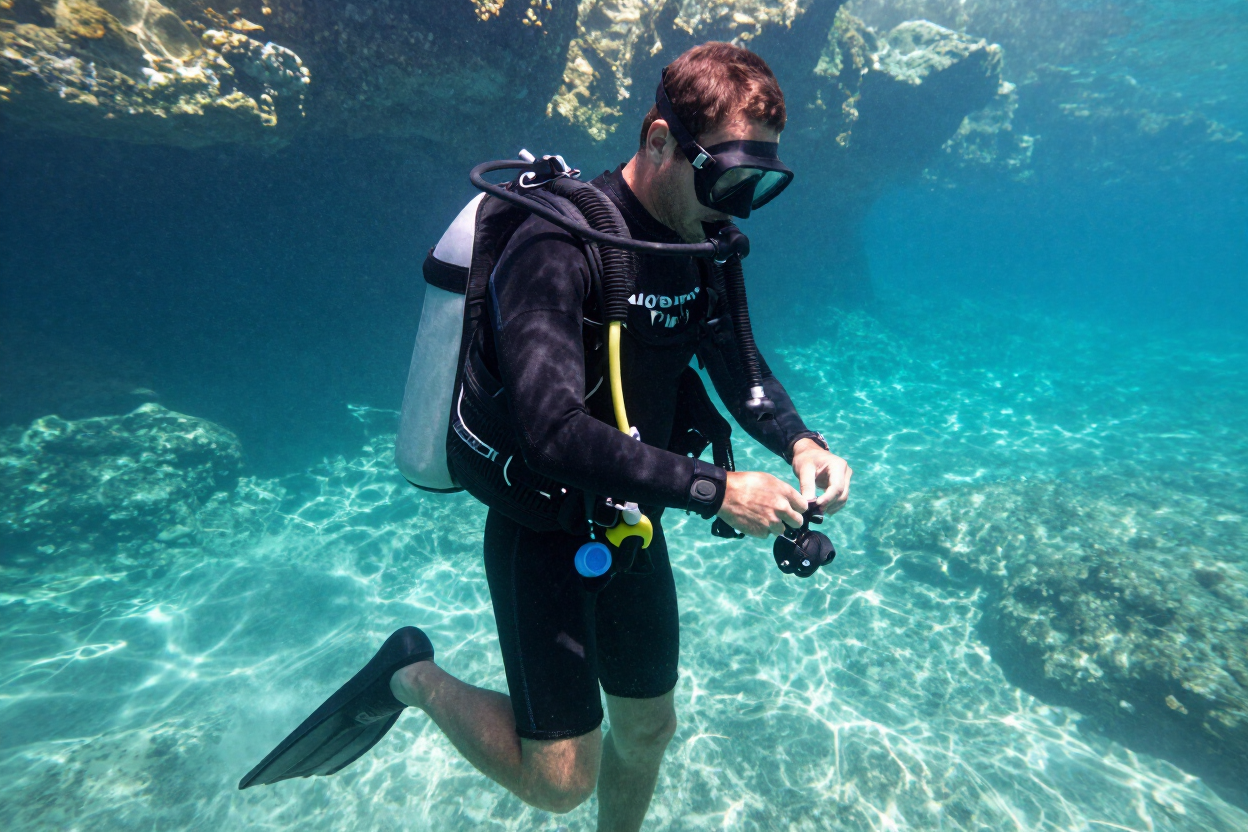
Buoyancy and trim worked until it is automatic so you can stop fighting the water column, which means your consumption drops and your dives get longer, calmer, and easier.
Independence Underwater
Compass and natural navigation drilled in real conditions so you can lead a dive instead of following one, which means you return to the exit on purpose rather than by luck.
How It Works
Review Your Logbook
We look at what you have actually dived and where the gaps are so you can train on weaknesses, not generalities.
Choose Your Dives
You select the adventure dives that match the diving you want to do so you can spend the course on what you will use.
Dive and Debrief
Each dive is planned, executed, and reviewed on the surface so you can leave with corrections, not compliments.
What Sets This Advanced Course Apart
Deep Dive Planning
Anyone can descend to depth. Planning gas, no-decompression limits, narcosis awareness, and a contingency before you leave the surface takes work, and that is what the depth rating is actually for.
Buoyancy Coaching
Trim, weighting, and breathing worked until hovering costs you nothing. Most divers never get this corrected by anyone.
Underwater Navigation
You stop depending on the person ahead of you. Compass work and natural reference navigation get drilled in springs and open water until finding the exit is something you simply do.
Adventure Dive Choice
Night, wreck, search and recovery, dry suit, full face mask, or limited visibility: you build the course around the diving you actually plan to do.
Real Site Conditions
When visibility drops or a current picks up, training done in real conditions means competence instead of surprise. The springs system offers both clear water and genuinely challenging sites.
Written Debriefs
Every dive ends with specific corrections, not a thumbs up. Vague encouragement is comfortable, and it is also the reason bad habits survive.
Nitrox Pairing
Add enriched air alongside Advanced and your bottom time changes immediately, which is the most useful upgrade available to a recreational diver.
A Course Director's Eye
Your instructor trains instructors. The errors that get spotted here are the ones most instructors were never taught to see.
A Direct Route Onward
Advanced is a prerequisite for Rescue, and Rescue is the gate to professional training. Finishing here puts you on a path that keeps going.
Frequently Asked Questions
Decision-blocking questions answered directly.
Do I Really Need Advanced Certification?
Not legally. Practically, it unlocks depth and site access, and it is the only structured coaching most divers ever get after their first card. Skipping it usually means plateauing at your first-year skill level.
How Many Dives Should I Have First?
You can begin right after Open Water, though a handful of fun dives helps. What matters more than the count is that you arrive ready to be corrected rather than confirmed.
Can I Do This If I Certified Elsewhere?
Yes. Divers certified through any recognized agency are welcome, and prior training is reviewed rather than assumed. Nothing gets repeated unnecessarily or skipped quietly.
What Does Advanced Cost?
Cost depends on which adventure dives you choose, site fees, and whether you rent or own equipment. Call and I'll price your specific course, not an average.
Is It Just Five Dives and a Card?
IIt can be, and that is how it is often sold. Here each dive is planned, coached, and debriefed, so you finish with skills attached to the certification.
Ready to Get in the Water?
Tell me a little about your situation and I will come back to you personally.
